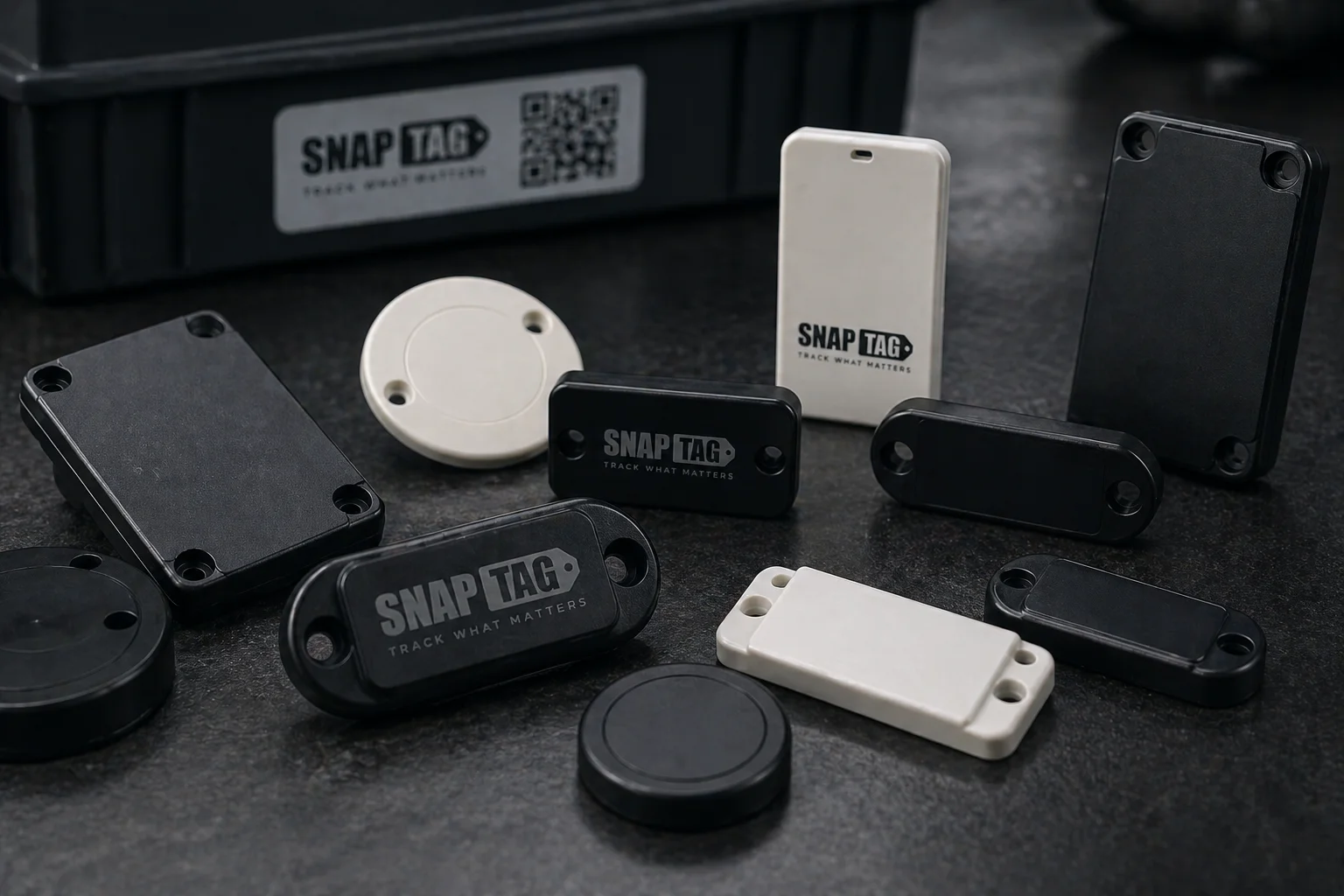

Best Practices for RFID Tag Selection in Industrial Environments
Selecting appropriate RFID tags is critical for achieving reliable performance in industrial tracking applications. Environmental conditions, material types, and use case requirements all influence tag selection. This guide provides practical recommendations for optimizing tag choice across diverse industrial scenarios.
Understanding RFID Tag Types
RFID tags fall into three main categories: passive tags powered by reader energy, active tags with onboard batteries, and semi-passive tags combining both approaches. Each type offers different read ranges, costs, and suitability for various applications.
Environmental Considerations
Industrial environments present unique challenges that impact tag performance:
- Metal surfaces require specialized anti-metal tags
- Liquid environments need tags designed for RF propagation in liquids
- High temperatures demand ruggedized tags with appropriate ratings
- Chemical exposure requires protective encapsulation
- Outdoor applications need UV and weather resistance
Frequency Selection
RFID operates across multiple frequency bands—LF (125-134 kHz), HF (13.56 MHz), and UHF (860-960 MHz). LF excels near metal and liquids but offers short range. HF provides moderate range and is ideal for item-level tagging. UHF delivers long range and fast read rates but struggles with metal and liquids without specialized tags.
Mounting and Attachment
Proper tag mounting is essential for reliable performance. Consider attachment methods (adhesive, cable tie, rivet, embedding), orientation relative to readers, and potential interference from surrounding materials. Pilot testing in actual deployment conditions validates tag performance before full-scale implementation.
Successful RFID deployment begins with understanding that the right tag selection isn't about specifications—it's about matching technology to real-world environmental challenges.
Successful RFID deployments require careful tag selection based on environmental conditions, material characteristics, and application requirements. Working with experienced providers and conducting thorough pilot testing ensures optimal tag performance and deployment success.
Ready to Implement Intelligent Tracking?
Discover how SNAPTAG can transform your operations with real-time visibility and automation.
Talk to an Expert

